

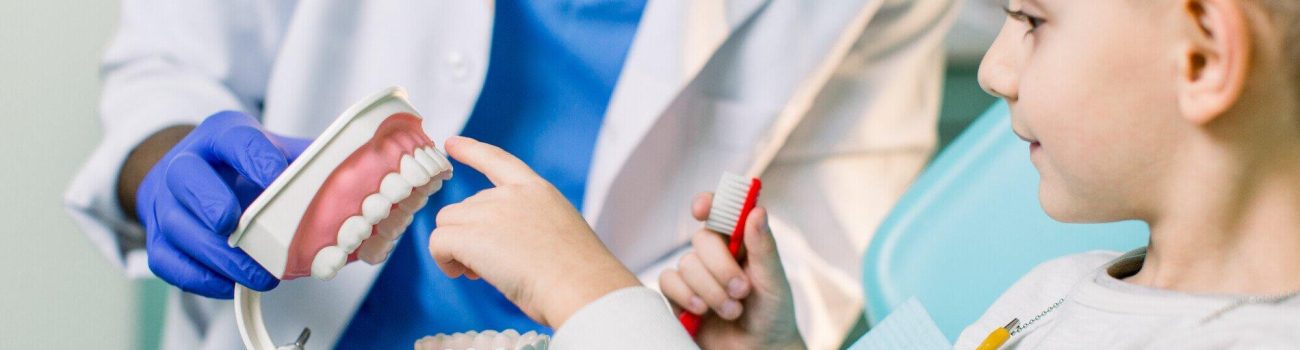
A pediatric dentist offers a wealth of expert pediatric dental advice to ensure your child’s dental health. Knowing the 7 most important questions for a child dentist, such as “When should my child have their first dental visit?”, helps parents make informed decisions about their child’s oral care.
A 2025 CDC study found that 11.6% of U.S. children ages 1 to 5 who had seen an oral health provider within the previous year reported a cavity. Early dental visits guide parents on effectively preventing cavities and maintaining healthy oral habits.
A pediatric oral health check identifies any developing dental concerns before they become more complex.
1. What Positive Dental Habits Should My Child Develop Early On?
Positive dental habits should become part of a child’s daily routine from the very first tooth. Brushing twice a day with fluoride toothpaste creates a strong foundation for oral care.
Letting children choose their toothbrush or toothpaste flavor can make daily care feel more personalized and enjoyable.
Scheduling regular dental visits teaches children that checkups are a normal part of caring for their smiles. Providing encouragement makes each habit easier to maintain.
Establishing consistent routines and using positive reinforcement gives children greater confidence in caring for their teeth.
2. How Often Should My Child Visit a Pediatric Dentist?
According to Stanford Medicine Children’s Health, your child should generally visit a pediatric dentist every six months. Regular checkups allow the dentist to monitor tooth development.
Some children might need more frequent appointments. Your dentist may recommend additional visits based on cavity risk or other oral health concerns.
Keeping a consistent schedule makes dental care part of your child’s routine. Visits also provide opportunities to identify early dental concerns.
Scheduling consistent visits supports healthier smiles as children grow and develop. Routine dental cleanings check your child’s teeth to reveal early changes.
3. What Are the Best Child Dental Care Tips for Preventing Cavities?
Fluoride exposure plays an important role in protecting developing teeth from decay. Ask your pediatric dentist whether your child receives enough fluoride through toothpaste or drinking water.
Professional fluoride treatments may provide additional protection when deemed appropriate. Report signs of increased sensitivity or ongoing tooth pain.
Dental sealants provide another layer of protection for permanent molars. The thin coating fills grooves where food particles can become trapped. Sealants make those surfaces easier to clean.
Parents should also watch for frequent sipping on acidic beverages. Giving water between meals reduces repeated acid exposure.
Mention the appearance of white spots or unusual discoloration during dental appointments.
4. When Do Children Start Losing Baby Teeth?
Most children start losing baby teeth around age 6 (Mayo Clinic). The lower front teeth become loose first.
Timing can vary from child to child. It’s more of a guide than a blueprint. An earlier or later tooth does not always signal a problem.
Permanent teeth move into their spaces as baby teeth fall out. By age 13, they should have all of their adult teeth.
A loose tooth may feel tender as it separates from the gums. Gently brush around the area to keep it clean.
Contact the dentist if a tooth becomes painful or remains loose for an unusual length of time.
5. When Should My Child Start Flossing?
Children should start flossing when two teeth touch each other. Brushing cannot always reach the tight spaces between touching teeth.
Parents may need to floss for younger children until they develop enough coordination to manage the task themselves. Use gentle movements to avoid irritating the gums.
As children become more independent, encourage them to take responsibility for brushing. Supervise their technique to ensure each space receives proper attention.
If you are unsure about technique, you can always ask your pediatric dentist to demonstrate proper flossing
6. How Should I Handle a Dental Emergency?
Stay calm and assess the situation before taking any action. Contact your child’s pediatric dentist promptly for professional guidance.
A knocked-out permanent tooth requires immediate attention to improve the chance of saving it. Keep the tooth moist and avoid touching the root.
Seek emergency medical care for:
- Severe bleeding
- Facial swelling
- Trouble breathing
- Serious jaw injury
- Loss of consciousness
Acting quickly can protect your child’s oral health and prevent further complications.
7. Can Thumb Sucking Affect My Child’s Teeth?
Thumb sucking can affect the way a child’s teeth and jaw develop. Most children stop the habit naturally as they grow.
Frequent or prolonged sucking may contribute to an open bite, where the front teeth do not meet properly. This can also change the position of developing teeth.
If thumb sucking continues beyond the early years, a pediatric dentist can monitor changes and discuss supportive strategies.
Frequently Asked Questions
Are Pacifiers Bad for My Child’s Teeth?
Yes. Pacifiers can provide comfort during infancy.
Prolonged use may affect developing teeth and jaw alignment. Frequent pacifier use may contribute to an open bite or changes in tooth position.
Limiting use as children grow can reduce dental concerns. Your pediatric dentist can recommend age-appropriate ways to stop the habit.
Should My Child Wear a Mouthguard for Sports?
Absolutely. A mouthguard can protect your child’s teeth during sports with a risk of falls or facial contact.
Choose a properly fitted mouthguard that stays securely in place during activity. Custom options from a pediatric dentist can provide a more precise fit.
Your child should wear the mouthguard during every practice and game.
How Do I Know if My Child Needs Braces?
Your child may need braces if teeth are crowded and crooked, or difficult to clean. An uneven bite can also indicate a need for orthodontic care.
A pediatric dentist can evaluate tooth development. They’ll recommend an orthodontic consultation when tooth alignment concerns become more apparent.
Schedule Your Child’s Dentist Appointment at Pediatric Dental Associates in Ridgewood, NJ, Today
Knowing the right questions to ask a pediatric dentist is essential to understanding your child’s oral health needs. Parents can learn which habits support healthy teeth at home. Professional guidance also reveals when a further dental evaluation may be necessary.
Pediatric Dental Associates, located in Ridgewood, NJ, provides specialized dental care designed to support children’s oral health. Our practice offers preventive and restorative services tailored to children’s needs. We create a welcoming setting where children can feel comfortable during dental visits.
Contact Pediatric Dental Associates to make your child’s next visit with us today.

