


Early Orthodontic Care and Why It Matters
As pediatric dental specialists, we understand how quickly a child’s smile develops and how early orthodontic guidance can make a profound difference in their long-term oral health. Many parents assume orthodontics only becomes relevant in the teenage years, but in reality, the foundation of healthy alignment begins much earlier. Jaw growth, baby-to-permanent tooth transitions, oral habits, and airway development all play vital roles in shaping a child’s dental future.
Our approach at Pediatric Dental Associates of Ridgewood focuses on easing parents into the orthodontic process rather than overwhelming them with complex terminology or unnecessary pressure. We believe that understanding the “why” behind early intervention empowers families to make confident decisions. For many families throughout Bergen County, Ridgewood, Paramus, Allendale, Fair Lawn, Mahwah, and surrounding communities, orthodontic planning starts with scheduling routine pediatric appointments and gradually building toward assessment, monitoring, and timely care.
Families seeking reliable, child-focused orthodontic guidance often start with the best childrens dentist bergen county because our preventive approach helps children stay ahead of potential issues long before braces or aligners enter the conversation.
When We Recommend the First Orthodontic Evaluation
One of the most common questions parents ask us is: “When should we bring our child for an orthodontic check?” The American Association of Orthodontists recommends an evaluation around age seven, a time when a child has a mix of baby and permanent teeth. This gives us a clear picture of how the adult teeth may erupt and whether early structural changes could benefit long-term alignment.
What We Evaluate at Age 7–8
At this age, even small indicators can help us project future orthodontic needs. During this early evaluation, we look for:
- Alignment of the upper and lower jaws
- Room for permanent teeth
- Bite irregularities such as crossbites, underbites, or overbites
- Spacing or crowding patterns
- Premature or delayed tooth loss
- Signs of mouth breathing or snoring
- Thumb-sucking or tongue-thrusting behavior
- Oral habits affecting speech or jaw growth
Early evaluation does not mean early braces; instead, it gives us a roadmap. Our monitoring helps ensure that when treatment becomes necessary, we time it perfectly with your child’s growth stage.
Parents throughout North Jersey trust the best childrens dentist bergen county because our monitoring is comprehensive, patient-centered, and tailored to each child’s developmental timeline.
Understanding Interceptive Orthodontics
Interceptive orthodontics, often used between ages 7–10, can minimize future problems by guiding jaw development and ensuring the proper path for permanent teeth. This phase is gentle and strategic, it prevents small misalignments from turning into more complex issues later.
Common Interceptive Treatments
We use several tools during this early phase:
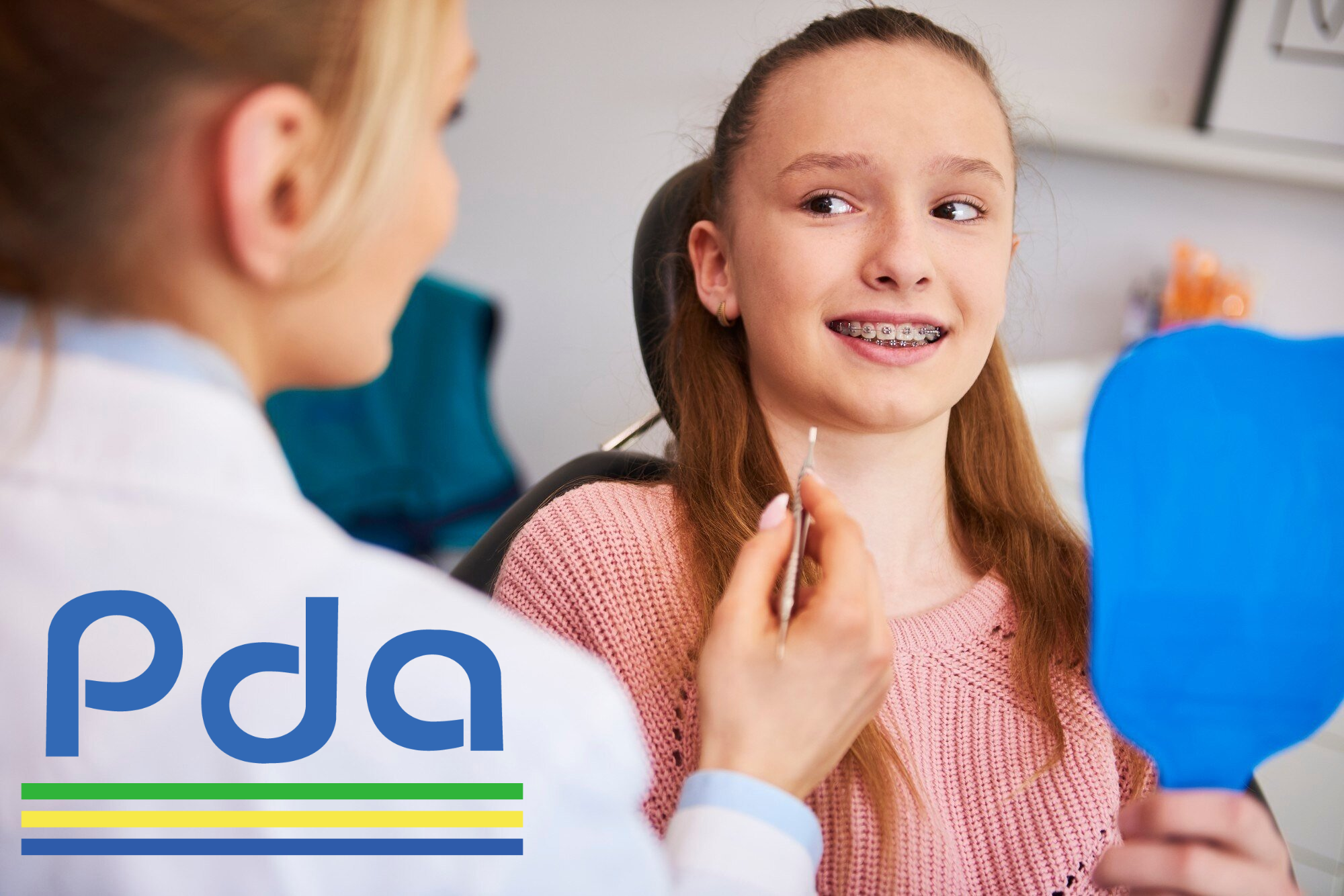
Palatal Expanders: Enhance upper jaw width, correct crossbites, improve airway space, and create more room for permanent teeth.
Space Maintainers: Hold space for a permanent tooth after premature loss of a baby tooth, preventing shifting.
Habit Correction Appliances: Help stop thumb-sucking or tongue-thrusting before they affect jaw alignment.
Limited Braces or Partial Treatment: A small number of braces may guide front teeth to more functional positions.
Interceptive care supports the natural growth process, often making later orthodontic treatment faster, less invasive, and more comfortable.
Orthodontics for Adolescents
By ages 11–13, most permanent teeth have erupted, and this is the ideal time for comprehensive orthodontics. Teen treatment can correct misalignment, improve bite function, and enhance smile aesthetics during a period of rapid skeletal development.
Traditional Metal Braces
Still the most effective option for complex or significant malocclusions. Modern brackets are smaller, smoother, and more comfortable than earlier versions.
Ceramic Braces
Tooth-colored brackets offer a more discreet alternative without sacrificing strength or efficiency.
Clear Aligners
Great for responsible teens with mild to moderate alignment needs. Clear aligners are removable, comfortable, and nearly invisible, making them one of the most popular options among older teens.
Elastics and Auxiliary Appliances
Used to adjust bite relationships and fine-tune alignment.
Our goal is not simply to straighten teeth but to ensure proper function, airway support, and long-term stability. Families come to the best childrens dentist bergen county because they trust our balanced approach that blends aesthetics, health, and comfort.
Key Orthodontic Issues We Diagnose Early
Early detection plays a major role in preventing long-term alignment challenges and ensuring a child’s oral development stays on a healthy path. During routine pediatric and orthodontic evaluations, we assess multiple structural, functional, and developmental indicators. Identifying these concerns early allows us to intervene at the most beneficial moment, often reducing the complexity, duration, and cost of future treatment.
Crowding
Crowding is one of the most common orthodontic concerns we see in children. It occurs when there is not enough space in the jaws to accommodate the eruption of permanent teeth. Teeth may rotate, overlap, or become trapped beneath the gumline, leading to aesthetic concerns and difficulty with brushing and flossing.
Early diagnosis allows us to use targeted strategies, such as palatal expansion, guided eruption techniques, or selective extraction of baby teeth, to create adequate space. When guided correctly, these steps can prevent more significant misalignment that would otherwise require extended treatment during adolescence.
Spacing Gaps
Spacing issues appear when there is excessive room between teeth. This may occur due to missing teeth, unusually small teeth, large jaw size, or prolonged retention of baby teeth. While spacing may seem less problematic than crowding, untreated gaps can affect bite alignment, cause food trapping, impact speech development, and influence self-confidence as children grow older.
By monitoring spacing patterns early, we determine whether gaps will close naturally as permanent teeth erupt or whether intervention, such as selective appliances or later orthodontic alignment, will be necessary.
Crossbite, Underbite, or Overbite
Bite misalignments occur when the upper and lower jaws do not fit together properly. Each type presents specific challenges:
- Crossbite: When upper teeth sit inside the lower teeth, often causing wear, shifting of the jaw, and asymmetrical growth.
- Underbite: When lower teeth extend beyond the upper teeth due to jaw size discrepancies or tooth positioning.
- Overbite: When the upper teeth excessively overlap the lower teeth, sometimes causing enamel wear or gum irritation.
These bite issues can interfere with chewing efficiency, long-term jaw joint stability, and overall facial development. Early identification enables us to guide jaw growth, reduce strain on the TMJ, and support balanced oral development.
Open Bite
An open bite occurs when the upper and lower front teeth do not touch when the mouth is closed. This condition may be linked to oral habits such as thumb-sucking, prolonged pacifier use, or tongue-thrusting during swallowing or speech.
Open bites can lead to challenges with speech articulation, difficulty biting into food, and long-term instability of the bite. By recognizing open bite patterns early, we can intervene with habit correction appliances, behavior modification, and early orthodontic guidance to encourage proper tooth contact as the child grows.
Jaw Growth Issues
Jaw growth discrepancies, including uneven, asymmetric, or irregular development, can affect facial appearance, bite function, and airway space. These concerns often become noticeable during early childhood and may worsen rapidly without guidance.
Our goal is to identify growth trends early so orthopedic intervention (growth-guiding appliances) can be timed appropriately. Correcting jaw issues during childhood often prevents the need for more invasive treatment, including surgery, later in life.
Mouth Breathing
Mouth breathing is an important orthodontic and pediatric concern. Children who breathe primarily through the mouth rather than the nose may experience:
- Narrowed dental arches
- Elongated facial growth patterns
- Poor tongue posture
- Sleep disturbances
- Long-term bite issues
Research from reputable sources such as the National Institutes of Health (NIH) and the Centers for Disease Control and Prevention (CDC) supports early recognition of mouth breathing patterns. By identifying airway-related issues soon enough, we can guide families toward appropriate ENT consultation, orthopedic widening when needed, and long-term preventive strategies.
Our orthodontic assessments always include careful monitoring of airway health because proper breathing impacts everything, from facial development to sleep quality, speech, and overall wellness.
The Role of Preventive Pediatric Dentistry in Orthodontic Success
Orthodontic treatment is dramatically more effective when paired with good pediatric dental care. Our preventive approach ensures that teeth and gums remain healthy, supporting predictable orthodontic movement.
Why Preventive Care Is Essential
- Cavity-free teeth move more predictably
- Healthy gums reduce discomfort during orthodontic adjustments
- Regular X-rays help us track tooth eruption
- Cleanings prevent plaque buildup around brackets
- Monitoring avoids premature baby tooth loss
Families who prioritize early preventive visits often find that orthodontic treatment becomes smoother, shorter, and less stressful over time.
Coordinating Orthodontic Care for Children With Special Healthcare Needs
Our team is trained in specialized behavior management techniques, allowing us to adapt orthodontic care for children with physical, developmental, sensory, or emotional needs. We believe every child deserves a positive, confidence-building experience.
Behavior Management Techniques We Use
- Tell-Show-Do
- Step-by-step desensitization
- Flexible scheduling
- Sensory-friendly strategies
- Coaching for unfamiliar sounds or vibrations
- Parent collaboration at every visit
- Gentle pacing and breaks
We adapt our communication style to match the child’s comfort level, helping them gradually increase tolerance and trust during orthodontic care.
What Happens During the First Orthodontic Consultation
Your child’s first orthodontic visit is designed to be calm, educational, and personalized. We never rush the process.
What We Do During This Visit
- Review medical and dental history
- Capture digital X-rays
- Assess jaw development
- Evaluate bite and alignment
- Examine tooth eruption patterns
- Discuss oral habits
- Provide a customized timeline
- Answer all parent questions thoroughly
Parents value our transparency and patient-first approach. Many families across North Jersey tell us they chose the best childrens dentist bergen county because we take the time to explain not just what we recommend, but why we recommend it.
Daily Care Tips When Your Child Starts Orthodontic Treatment
When a child begins orthodontic treatment, maintaining excellent oral hygiene becomes even more important. Braces and appliances create areas where food can easily become trapped, so we encourage children to brush after meals, use fluoride toothpaste, and clean carefully around brackets and wires. Many families find that floss threaders or water flossers make daily cleaning easier and more effective, helping prevent plaque buildup and ensuring teeth stay healthy throughout treatment. We also recommend incorporating fluoride rinses at night to strengthen enamel and support long-term oral health.
Dietary awareness is just as essential in helping appliances work as intended. Children should avoid sticky or chewy foods that can pull on wires, as well as hard foods that may damage brackets. Soft foods are particularly helpful during the first few days after an adjustment, when mild tenderness is normal. Orthodontic wax can be used to soften areas of irritation, keeping children comfortable as they adapt to their new appliances. With consistent home care and clear communication between our team and your family, orthodontic treatment progresses more smoothly and predictably.
How Orthodontic Treatment Improves Long-Term Health
Orthodontics is far more than cosmetic. Research from the National Institutes of Health shows that proper alignment contributes to overall oral and systemic health.
Long-Term Benefits Include:
- Easier brushing and flossing
- Lower risk of tooth decay and gum disease
- Improved speech clarity
- Reduced risk of tooth grinding
- Better bite function
- More balanced facial development
- Prevention of jaw discomfort
- Improved airway space in certain cases
Orthodontic care is an investment in long-term well-being, not just appearance.
Orthodontic Options and Lifestyle for Teens
Teenagers care deeply about comfort, appearance, and social activities. We guide them in choosing an option that fits their lifestyle and personality.
What Teens Usually Prefer
- Aligners for sports or music performance
- Ceramic braces for a less noticeable look
- Faster results with compliance strategies
- Clear instructions and autonomy
- Minimal interference with school, events, and activities
Empowering teens with knowledge helps them remain engaged and cooperative throughout treatment.
Supporting Families Throughout the Orthodontic Journey
Successful orthodontic treatment is a partnership. We support parents and children from start to finish, making sure they feel informed, prepared, and confident at every step.
How We Stay Connected With Families
- Regular growth monitoring
- Routine adjustment visits
- Guidance during every transition
- Retainer planning after braces
- Continuous communication
- Personalized recommendations
Families visiting our practice discover our commitment to building trust-based relationships with children and teens, ensuring they feel safe, confident, and supported throughout the entire process.
Why Families Trust Our Approach to Orthodontics
Parents across Ridgewood, Mahwah, Paramus, Glen Rock, Fair Lawn, Oradell, and surrounding towns consistently choose the best childrens dentist bergen county because we combine orthodontic expertise with pediatric compassion. Our emphasis on early monitoring, behavior management, preventive care, and family education allows children to grow into their best smiles with confidence.
We understand that orthodontic care is more than a clinical process, it is an emotional experience for children and parents alike. That is why we focus on clear communication, evidence-based recommendations, and a supportive environment designed to reduce anxiety and encourage cooperation. Families visiting our website quickly recognize that our team is committed to doing what is best for each child, whether that means immediate treatment, monitoring growth, or focusing on preventive steps first.
Our approach is built on trust, transparency, and partnership. We take time to explain treatment choices, answer questions thoroughly, and provide honest guidance that aligns with your child’s stage of development. Whether your child needs early interceptive orthodontics, adolescent braces, behavior support, or long-term monitoring, we are here to ensure every step feels manageable and positive. This commitment to long-term relationships is why so many families return to us generation after generation.

