

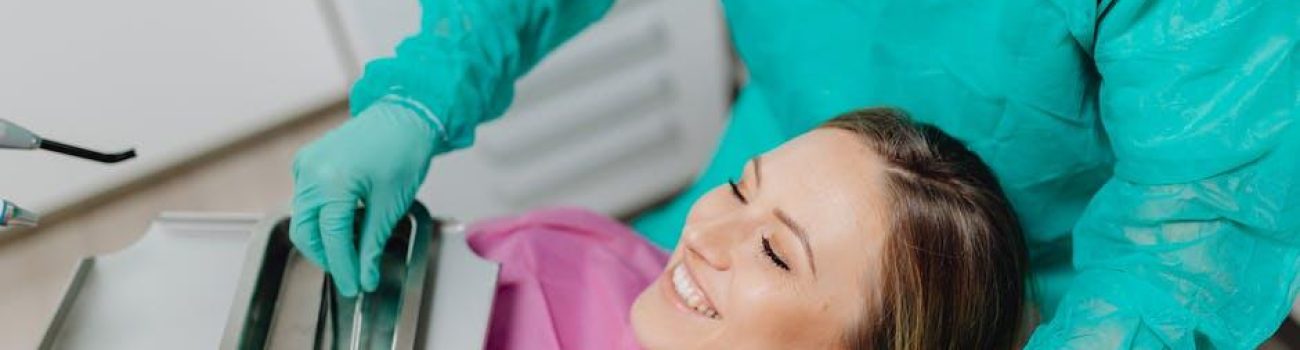
Routine dental cleaning in Bergen County plays a key role in keeping children’s teeth free of plaque, preventing gum disease, and catching small issues before they turn into bigger problems. Regular cleanings help maintain strong enamel, reduce stains, and support overall oral health, making them one of the simplest ways to protect your child’s smile as they grow.
According to the Centers for Disease Control and Prevention, many children develop cavities at a young age, making preventive dental care especially important early on. Are you doing enough to protect your child’s teeth before common dental problems before they begin? The answer often comes down to consistency and professional care.
What Is the Difference Between a Routine Cleaning and a Deep Cleaning?
Dental cleanings are not all the same, and the right type depends on your child’s gum health and buildup levels. A routine dental cleaning in Bergen County focuses on prevention, while a deep cleaning targets existing gum problems that need closer care:
- Routine cleaning purpose
- Deep cleaning process
- When each is recommended
Routine Cleaning Purpose
A routine cleaning is meant to maintain healthy teeth and gums in children and teens. It removes plaque and tartar that build up over time, even with good brushing habits.
Dental hygienists clean above the gumline and polish the teeth for a smooth finish. Preventive dental care plays a big role here, since regular visits can stop small issues from turning into larger concerns as your child develops.
Deep Cleaning Process
A deep cleaning goes further than a standard visit. It involves scaling below the gumline and smoothing the root surfaces to help the gums reattach to the teeth. Dentists often recommend it for older children or teens when there are signs of gum disease, such as pockets forming between the teeth and gums.
When Each Is Recommended
Routine cleanings are ideal for children wioth healthy gums and developing teeth. Deep cleanings are suggested when infection or inflammation is present. Bergen County dental care providers will examine your child’s mouth and guide you toward the option that fits their needs.
How Often Should You Schedule a Dental Cleaning?
Many dentists suggest a cleaning every six months for children. This timeline works well for people with healthy gums and a low risk of dental problems.
Routine visits help remove buildup before it leads to decay or irritation. Preventive dental care depends on staying consistent with these checkups, especially during key growth stages.
Some children may need cleanings more often. Wearing braces, frequent snacking, or difficulty brushing properly can increase plaque buildup.
Your child’s dentist will look at these factors when deciding what schedule works best.
Why Routine Dental Cleaning in Bergen County Is Essential for Your Smile
Keeping your child’s teeth clean at home is a good start, but it doesn’t remove everything. Routine dental cleaning in Bergen County helps protect young smiles in ways that daily brushing and flossing can’t fully match.
- Plaque and tartar removal
- Early problem detection
- Confidence and healthy habits
Plaque and Tartar Removal
Plaque forms on teeth every day. If it stays too long, it hardens into tartar, which can’t be removed with a toothbrush.
Professional cleanings break down that buildup before it leads to decay or gum irritation. Preventive dental care focuses on stopping these issues early, which is especially important for developing teeth.
Early Problem Detection
Regular visits allow dental professionals to spot small concerns before they grow. Cavities, gum inflammation, and other issues are easier to treat when found early in children. Routine dental cleaning in Bergen County often includes a quick check that can make a big difference in long-term care.
Confidence and Healthy Habits
Cleanings help children feel proud of their smile and more comfortable visiting the dentist. They also reinforce good habits that can last a lifetime, making dental visits a positive experience.
What to Expect During a Professional Dental Cleaning
The visit often begins with a quick check of your child’s teeth and gums. A dental hygienist looks for signs of:
- Buildup
- Inflammation
- Early decay
This step helps guide the rest of the cleaning and gives your dental team a better picture of your child’s oral health.
Special tools are used to remove plaque and hardened tartar from the surface of your child’s teeth. The focus stays on areas that are hard to reach with a toothbrush. Bergen County dental care providers take care to keep your child comfortable during this part of the process.
After the buildup is cleared away, your teeth are polished to remove surface stains and smooth the enamel. A final flossing helps clear out any remaining debris. Children often leave with a cleaner feel and a brighter smile.
Frequently Asked Questions
How Long Does a Routine Dental Cleaning Usually Take?
A routine dental cleaning for children usually takes between 30 and 60 minutes. The exact time depends on how much plaque and tartar have built up since your last visit. First-time patients may need a bit longer. Cleanings may move faster for those who keep up with regular appointments.
Can Dental Cleanings Whiten Teeth?
Dental cleanings can make your child’s teeth look brighter, but they don’t change the natural color of your enamel.
Is It Normal for Gums to Bleed After a Cleaning?
Some mild bleeding can happen, especially if your child’s gums are sensitive or if there has been buildup.
Oral Health Tips
Routine dental cleaning in Bergen County supports strong teeth, healthy gums, and a confident smile for children and teens.
At Pediatric Dental Associates, we focus on caring for children, not just their teeth. Our Bergen Pediatric Dentistry team provides high-quality care in a welcoming setting designed for kids and teens. We combine modern techniques with a strong focus on prevention, helping families build healthy habits while supporting each child’s long-term oral health with skill and compassion.
Get in touch today to find out how we can help with your child’s dental health!

