


Early Oral Habits and Their Long-Term Impact on Dental Development
From the moment a child’s first tooth appears, daily oral habits begin shaping the structure, alignment, and health of their smile. While baby teeth are temporary, the behaviors established in early childhood often have lasting effects on jaw growth, spacing, bite alignment, and oral health well into adolescence. This is why early guidance from a trusted childrens dentist Allendale is so important.
Oral habits such as thumb sucking, pacifier use, mouth breathing, teeth grinding, and brushing routines all influence how the mouth develops over time. When these habits are healthy and well-managed, they support strong enamel, proper spacing for adult teeth, and balanced jaw development. When they persist too long or go unaddressed, they can contribute to misalignment, bite problems, and an increased risk of cavities.
According to the Centers for Disease Control and Prevention, tooth decay remains one of the most common chronic conditions among children, despite being largely preventable. This highlights the importance of preventive care and habit education provided by a qualified pediatric dentist.
Families who work with the best pediatric dentist Allendale gain more than cleanings and exams. They receive personalized guidance on age-appropriate habits, early detection of developmental concerns, and proactive strategies that protect their child’s smile as it grows. Establishing strong oral habits early is one of the most effective ways to support lifelong dental health.
Thumb Sucking and Pacifier Use: When Comfort Becomes a Concern
Thumb sucking and pacifier use are completely normal soothing behaviors during infancy and early toddlerhood. In fact, many pediatric dental professionals agree these habits can be beneficial during the first years of life. However, when they persist beyond age three or four, they may begin to affect tooth alignment and jaw development.
Prolonged thumb sucking places constant pressure on the upper front teeth and palate, potentially leading to open bites, protruding teeth, or changes in the roof of the mouth. A knowledgeable pediatric dentist Allendale can monitor these habits during routine visits and determine when intervention may be helpful.
Rather than focusing on abrupt habit elimination, a compassionate childrens dentist Allendale works with parents to implement gentle, age-appropriate strategies that respect a child’s emotional needs while protecting oral development. Early guidance often prevents the need for future orthodontic correction.
Choosing the best pediatric dentist Allendale ensures that families receive proactive care focused on long-term outcomes, not just short-term fixes.

How Mouth Breathing Influences Facial Growth and Smile Alignment
Mouth breathing is an oral habit that often goes unnoticed but can significantly impact a child’s facial and dental development. While occasional mouth breathing due to illness is normal, chronic mouth breathing, especially during sleep, may affect jaw growth, tooth positioning, and overall facial balance.
Children who primarily breathe through their mouths may develop narrower dental arches, crowded teeth, and elongated facial features over time. Pediatric dental specialists are trained to identify these patterns early and collaborate with medical providers when airway issues are suspected. A skilled pediatric dentist Allendale evaluates not only the teeth but also how breathing patterns influence oral health.
The National Institutes of Health emphasizes the relationship between airway health, sleep quality, and craniofacial development in children. This makes early dental evaluations especially important for identifying habits that may impact long-term growth.
Routine visits with a trusted childrens dentist Allendale allow families to address these concerns early, often reducing the need for more complex treatment later.
Daily Brushing Habits and Their Role in Strong, Healthy Smiles
Consistent brushing habits are among the most powerful influences on a child’s oral health. Yet many parents are unsure when to start brushing, how much toothpaste to use, or when children can brush independently. These daily routines directly affect cavity risk, gum health, and enamel strength.
Pediatric dental professionals recommend that parents assist with brushing until children demonstrate proper technique, often around age seven or eight. A supportive pediatric dentist helps families understand how brushing habits evolve with age and how to reinforce consistency at home.
According to the American Dental Association, fluoride toothpaste plays a critical role in preventing cavities when used correctly. Guidance from the best pediatric dentist Allendale ensures families use the right tools and techniques at every stage of development.
Strong brushing habits, reinforced through regular dental visits, significantly reduce the risk of decay and support proper tooth eruption.
Diet, Snacking Patterns, and Their Impact on Developing Teeth
A child’s diet plays a powerful role in shaping oral health from the earliest years, often more than parents realize. Teeth are constantly exposed to acids produced by bacteria in the mouth, and what children eat, and how often they eat, directly affects how much time teeth spend under attack. Frequent snacking, sugary drinks, fruit juices, and sticky foods can significantly increase the risk of cavities, especially when paired with inconsistent brushing habits.
A trusted children’s dentist often emphasizes that it’s not only what children eat, but how often they eat it. Each time a child snacks, acid levels rise in the mouth. Without enough time between meals for saliva to neutralize those acids, enamel begins to weaken. Over time, this can lead to early decay, enamel erosion, and increased sensitivity.
Working with an experienced pediatric dentist Allendale helps families understand which foods support dental health, such as crunchy fruits and vegetables, dairy products rich in calcium, and water, and which should be limited or timed carefully. Pediatric dental specialists also guide parents on smart snacking strategies, like pairing carbohydrates with protein and encouraging water rinses after meals.
The best pediatric dentist Allendale takes a realistic, family-centered approach, helping parents balance nutrition, convenience, and oral health without unnecessary restrictions. Over time, consistent dietary habits combined with professional guidance can dramatically reduce cavity risk and support stronger, healthier developing teeth.
Early Dental Visits as Preventive Checkpoints for Growth and Alignment
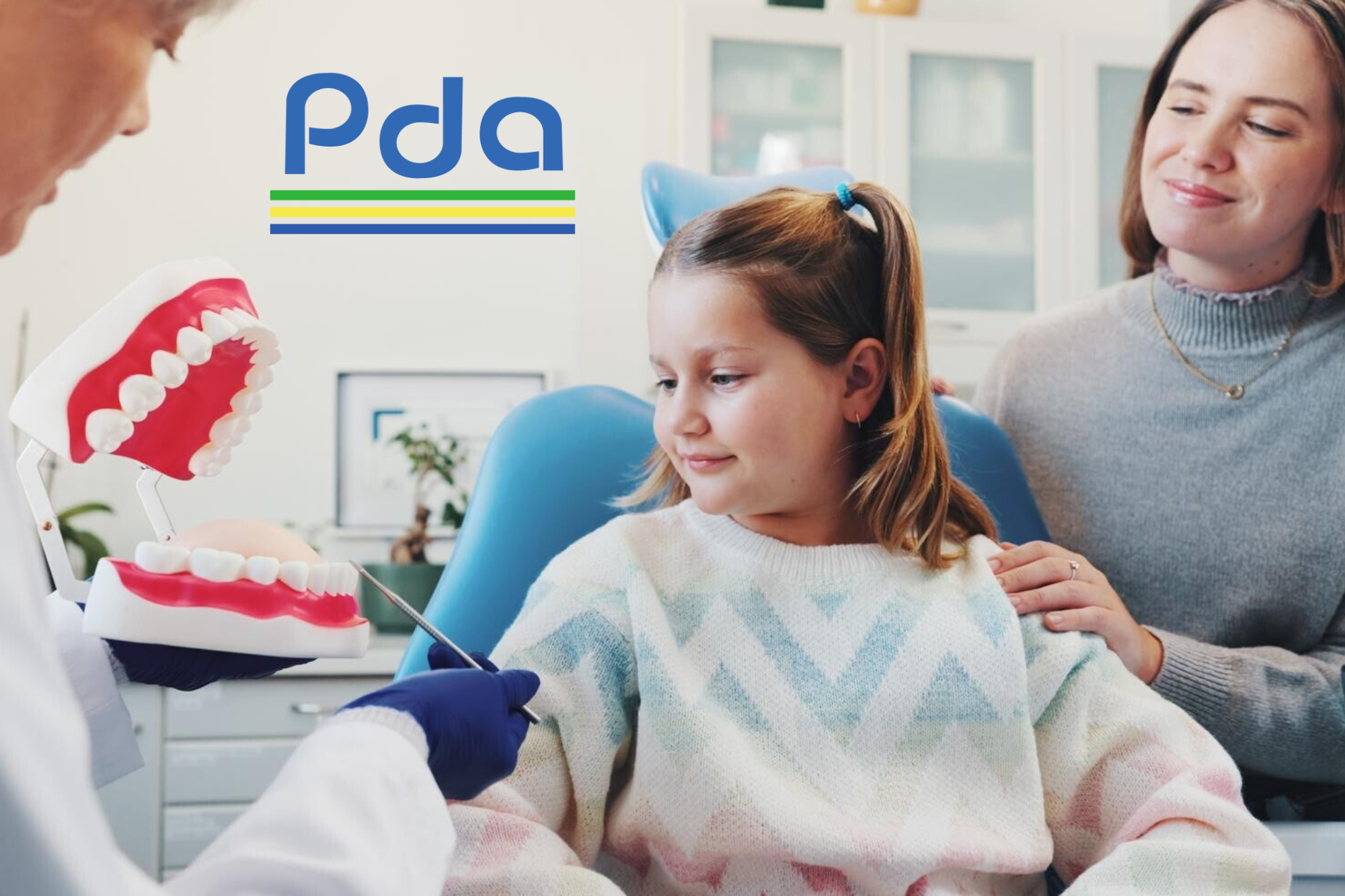
Routine dental visits serve as far more than simple cleanings, they function as critical preventive checkpoints throughout a child’s growth and development. Each visit allows a pediatric dental specialist to evaluate tooth eruption, spacing, jaw growth, and oral habits that may influence alignment over time.
A knowledgeable pediatric dentist Allendale tracks how baby teeth guide permanent teeth into place, monitoring for early signs of crowding, bite issues, or delayed eruption. Many orthodontic concerns can be minimized, or even prevented entirely, when they are identified early and managed proactively.
These visits also provide opportunities to assess habits such as thumb sucking, mouth breathing, teeth grinding, and improper brushing techniques. A compassionate children’s dentist works closely with parents to explain what is developmentally normal and when intervention may be beneficial.
According to the Centers for Disease Control and Prevention, preventive dental care significantly reduces the risk of tooth decay and related complications in children. Early, consistent dental visits build familiarity, reduce anxiety, and establish trust, making future care easier and more effective.
Families who choose the best pediatric dentist Allendale benefit from a proactive approach that prioritizes monitoring, education, and early action, ensuring a smoother developmental path for their child’s smile.
How Oral Habits Influence Speech Development and Jaw Function
Oral habits affect more than just how a child’s teeth look, they also play an important role in speech development and jaw function. The position of the tongue, the way teeth come together, and how the jaw moves all influence how children pronounce sounds, chew food, and swallow properly. When oral habits interfere with these processes, they may contribute to speech delays or articulation challenges.
Prolonged thumb sucking, pacifier use, or mouth breathing can alter tongue posture and the position of the teeth, sometimes making it difficult for children to form certain sounds correctly. A skilled pediatric dentist Allendale evaluates these habits as part of routine dental visits, watching for early indicators that could affect both oral function and communication development.
Jaw alignment also plays a critical role in chewing efficiency and muscle balance. When teeth do not align properly due to habit-related changes, children may experience uneven chewing patterns or jaw fatigue. A trusted childrens dentist Allendale can identify these functional concerns early and, when necessary, collaborate with speech therapists or orthodontic specialists.
According to the National Institute on Deafness and Other Communication Disorders, oral structures and muscle coordination are essential for clear speech development. Early monitoring by the best pediatric dentist helps ensure that oral habits support, not hinder, a child’s ability to communicate and eat comfortably as they grow.

Building Healthy Oral Habits That Support Confidence and Emotional Well-Being
Healthy oral habits influence not only physical development but also a child’s confidence and emotional well-being. Children who experience frequent cavities, discomfort, or dental anxiety may become self-conscious about their smiles or reluctant to participate in social activities. Establishing positive habits early can help prevent these challenges and foster self-assurance.
Regular dental routines, consistent brushing, and supportive professional care create a sense of normalcy around oral health. A compassionate dentist helps children understand dental care in a reassuring, age-appropriate way, reducing fear and building trust over time.
When children feel comfortable during dental visits, they are more likely to cooperate, ask questions, and take ownership of their oral hygiene. A skilled pediatric dentist Allendale reinforces positive behaviors through encouragement rather than correction, helping children associate dental care with success instead of stress.
The best pediatric dentist Allendale recognizes that emotional comfort is closely tied to long-term oral health outcomes. Children who feel confident about their smiles often carry those positive habits into adolescence and adulthood.
Parents seeking a supportive, child-focused dental environment can explore preventive and developmental care options at Pediatric Dental Associates of Ridgewood, where emotional well-being and oral health are treated as equally important.
Why Choosing a Pediatric Dental Specialist Makes a Lasting Difference
Pediatric dental specialists receive advanced training beyond general dentistry, focusing specifically on child development, behavior management, preventive care, and early intervention. This specialized expertise allows them to address oral habits and developmental changes with a level of precision and empathy uniquely suited to children.
A dedicated pediatric dentist Allendale understands how oral habits evolve at different stages and how emotional comfort influences cooperation and long-term dental attitudes. This approach helps children feel safe, heard, and confident during dental visits, setting the stage for positive lifelong dental experiences.
Parents often notice that children who see a pediatric dentist early develop less anxiety and greater ownership of their oral health. Pediatric specialists communicate in age-appropriate ways, empowering children to understand why healthy habits matter rather than simply following instructions.
We also serve as a long-term partner for families, providing continuity of care through every developmental stage. This relationship allows for personalized guidance, early detection of concerns, and tailored preventive strategies that evolve as the child grows.
For families seeking comprehensive, child-centered dental care, learning more about services and philosophy at Pediatric Dental Associates of Ridgewood can be an important step toward protecting a child’s smile for years to come.

