


If you’re a parent or guardian, you’ve probably experienced the nerve-wracking moment of taking your child to the dentist, only to be met with tears, resistance, or even a full-blown meltdown. Dental anxiety in children is common, but with the right strategies and a compassionate dentist for kids in Allendale, it doesn’t have to be a long-term struggle.
At Pediatric Dental Associates of Ridgewood, we understand the fears kids face and how important it is to create positive, calm experiences for young patients. Whether it’s your child’s first visit or you’re trying to overcome past fears, here’s how you can help.
Dental anxiety isn’t just a phase, it can have a real impact on a child’s overall health. If a child is too frightened to attend regular cleanings, small issues can develop into larger ones that require more complex treatment. These situations can reinforce the fear, creating a cycle that becomes harder to break over time. That’s why addressing dental anxiety early on, and proactively, is one of the best things you can do for your child’s long-term well-being.
The good news is that most dental fears are manageable with the right support system. A calm, experienced dentist for kids in Allendale who knows how to connect with children, combined with preparation at home, can turn even the most reluctant patient into a confident one. This blog explores proven methods for easing dental anxiety in kids, strategies we use every day at our practice to build trust, reduce fear, and make dental care something to look forward to, not dread.
Normalize Dental Visits From an Early Age
Start When They’re Young
According to the American Academy of Pediatric Dentistry, children should have their first dental appointment by age one or within six months of their first tooth. Early exposure not only supports oral health but helps children get comfortable with the environment.
Scheduling an early “get to know you” visit with a dentist for kids in Allendale gives your child a chance to explore the dental office without pressure.
Keep Your Language Positive
How you talk about the dentist matters. Avoid words like “pain,” “hurt,” or “shot.” Instead, use fun, kid-friendly phrases like “we’re going to have our teeth counted” or “your smile is going to get sparkly.”
Your tone sets the stage, if you’re calm and confident, your child is more likely to feel safe.
Choose a Pediatric Dentist Who Understands Anxiety
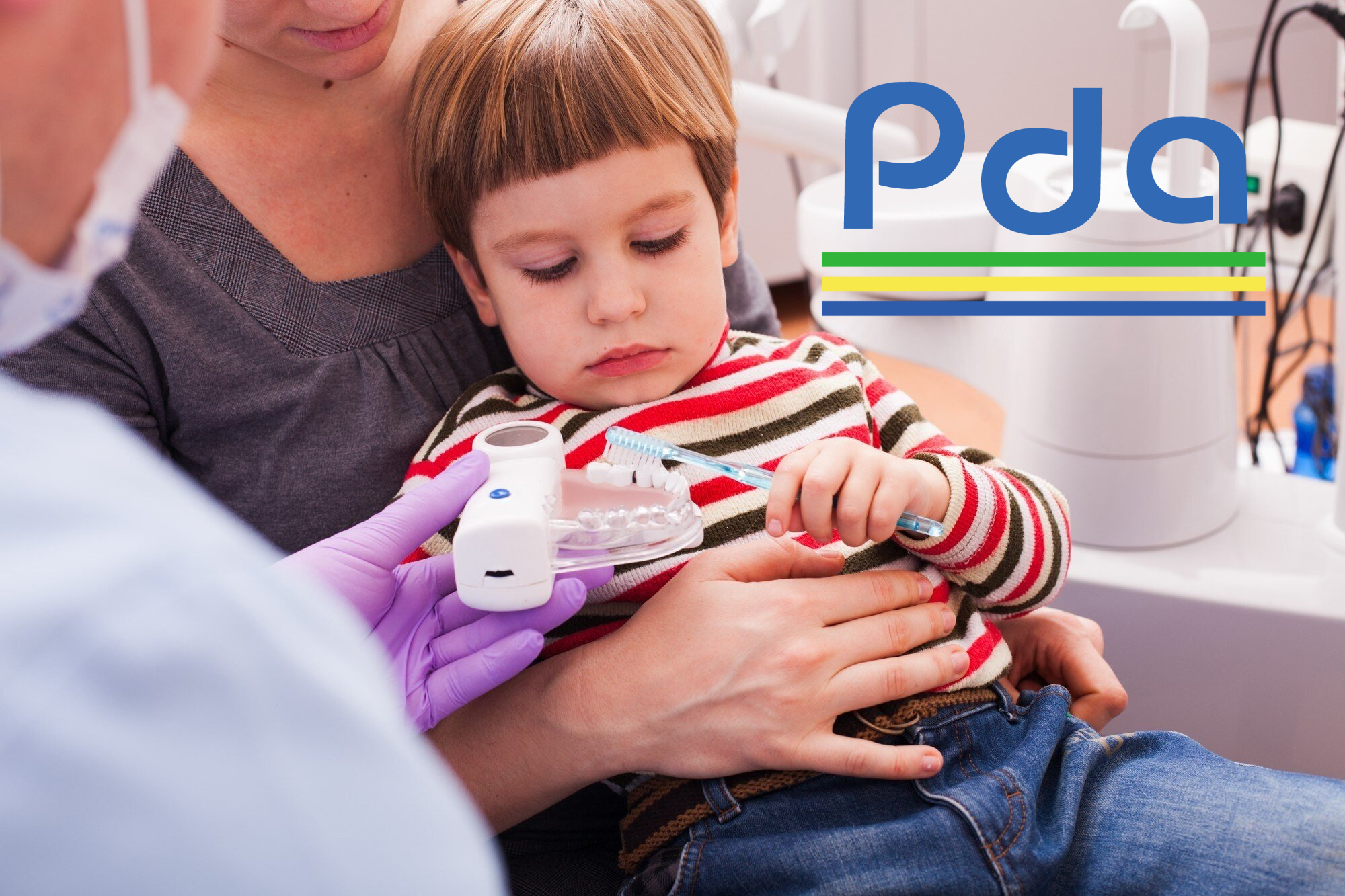
Not all dentists are equipped to handle the unique emotional needs of children, especially those who experience dental anxiety. Pediatric dentists undergo additional training beyond general dentistry, specifically focused on child psychology, behavior guidance, and safe treatment techniques tailored for children. This deeper knowledge enables them to approach anxious children with sensitivity, patience, and proven calming strategies.
A qualified dentist for kids in Allendale won’t just focus on the teeth—they’ll focus on the child. From the moment a child walks through the door, they should be greeted by a warm, welcoming environment. That includes kid-friendly décor, cheerful staff who speak on the child’s level, and an intentional approach to gaining trust before beginning treatment. Small touches like using fun names for tools or letting a child “help” during the exam can reduce fear significantly.
At Pediatric Dental Associates of Ridgewood, our entire team is trained in anxiety-reducing techniques, from explaining procedures in kid-friendly terms to offering gentle distractions during cleanings. We never rush or push; instead, we meet each child where they are emotionally and build from there. This approach not only helps reduce immediate fear but fosters a lifelong healthy relationship with dental care. If your child dreads dental visits, choosing a specialist who understands anxiety isn’t optional, it’s essential.
Use Role-Play and Practice at Home
Children thrive on predictability. When they’re unsure about what will happen, anxiety naturally increases. One of the most effective ways to reduce that fear is through imaginative role-play at home. By creating your own mock dental visits, you help your child visualize what to expect, feel in control, and gain familiarity with common dental tools and procedures, before the real thing.
You can use a toothbrush, mirror, and flashlight to “examine” your child’s teeth, pretending to be the dentist. Then reverse the roles and let them be the dentist to a doll, stuffed animal, or even you! This kind of play builds trust and comfort around the idea of someone looking in their mouth and reinforces that it’s a safe experience. Try using phrases they might hear during their visit, like “open wide!” or “let’s count your teeth.”
There are also great children’s books and videos available that introduce dental visits in a positive light. Look for titles like The Berenstain Bears Visit the Dentist or Peppa Pig: Dentist Trip. These resources are especially helpful when preparing for a first visit with a dentist for kids in Allendale. Familiarity breeds comfort, and that comfort can dramatically shift how your child responds during the actual appointment.
Time It Right and Prepare in Advance
Schedule Wisely
Choose a time of day when your child is usually well-rested and fed, typically in the morning. Avoid appointments during nap times or right after school when they might be overstimulated or cranky.
Arriving early helps your child acclimate to the space and reduces anxiety caused by rushing or unpredictability.
Bring Comfort Items
A favorite stuffed animal, blanket, or toy can offer reassurance. If your child has a favorite calming song or app, some practices may allow headphones during cleanings or exams.
We welcome comfort tools at Pediatric Dental Associates of Ridgewood and encourage parents to let their child lead with what makes them feel safe.
Reassure Without Bribing
Praise Effort, Not Outcome
Avoid saying things like “If you’re good, you’ll get a treat.” This implies something bad will happen and could increase anxiety. Instead, try: “I know you’re brave,” or “We’re just going to check how strong your teeth are.”
If the visit goes smoothly, praise specific behaviors: “You opened your mouth so wide for the dentist!” Encouragement builds confidence, especially when it focuses on effort, not perfection.
Engage in Distraction and Positive Reinforcement
Distraction isn’t about avoiding what’s happening, it’s about focusing attention away from anxiety and toward something comforting or entertaining. Pediatric dental offices often use tools like ceiling-mounted televisions, headphones with music, or storytelling to guide a child’s attention during cleanings or procedures. These methods are effective in reducing stress and making the visit feel more like play than a medical appointment.
At Pediatric Dental Associates of Ridgewood, we utilize distraction techniques personalized to each child’s age and preferences. Whether it’s a favorite cartoon, a conversation about their favorite animal, or giving them a “job” like holding the suction straw, we aim to keep their focus off any fear and on something enjoyable. Children are naturally imaginative, and distraction plays into that strength.
In addition to distraction, positive reinforcement is key. Praise your child immediately after their appointment, even if things didn’t go perfectly. Celebrate the small wins: “You sat in the big chair!” or “You let the dentist count your teeth!” This helps build confidence and rewires the experience into something they’re proud of. If you’re working with a dentist for kids in Allendale who values emotional development as much as dental health, they’ll know how to use both of these tools effectively.
Explore Sedation Options If Needed
When to Consider Sedation
If your child has severe anxiety, special needs, or requires extensive dental work, sedation may be a helpful option. Pediatric dentists can offer nitrous oxide (laughing gas) to relax your child during treatment.
In rare cases, general anesthesia is used. Always speak to a trusted dentist for kids in Allendale about your child’s specific needs and risks before choosing sedation.
Talk About Feelings and Validate Their Experience
Kids need to know that their feelings are real and okay, even if those feelings seem irrational to adults. Instead of brushing off their anxiety with “It’s not a big deal,” let them know you hear them. Say, “It’s okay to feel nervous,” or “Lots of kids feel this way their first few times.” When children feel understood, they’re more likely to trust you and the dental team.
Before the appointment, encourage your child to share any concerns. Ask, “What part are you most nervous about?” or “What would help you feel more comfortable?” This starts a dialogue that not only gives you insight into their fears but also allows you to problem-solve together. Sometimes, something as small as holding a stuffed animal or knowing you’ll be in the room can make a big difference.
Once you’re at the dental office, let the professionals guide the emotional tone. A great dentist for kids in Allendale will validate your child’s concerns and give them choices whenever possible, like picking the flavor of toothpaste or choosing which hand to place the mirror in. These small controls can provide huge emotional security.
By treating their emotional response with empathy and respect, you’re helping your child develop lifelong coping skills—not just for dental visits, but for any new or stressful situation.
Create a Routine With Consistent Visits
Make Dental Care a Habit
The more often children go to the dentist, the less fear they have. Regular six-month checkups normalize the experience and help build a relationship between your child and the dental team.
Children who only visit the dentist when there’s a problem often associate it with pain or fear. Instead, make routine visits part of your family’s wellness plan, just like yearly checkups with the pediatrician.
Reinforce Daily Oral Habits
Brushing and flossing are more fun when kids feel involved. Let them choose their toothbrush color, use fun-flavored toothpaste, or sing a two-minute song while brushing. The more ownership they feel, the more positive their association with dental care.
Support for Special Needs and Sensory Challenges
Tailored Approaches for Every Child
Children with autism, ADHD, anxiety disorders, or sensory processing challenges may need a more customized approach. From dimmed lighting to extra time for acclimation, our team adjusts care based on your child’s needs.
If you’re a parent of a neurodivergent child and searching for a dentist for kids in Allendale who “gets it,” know that our team is deeply experienced in gentle, flexible care.
Expert Resources Help Too
The American Academy of Pediatric Dentistry offers excellent guidance for parents navigating oral health with children who have special needs. Working together, we can ensure your child feels safe and supported.
When to Consider a Behavioral Health Referral
For most children, dental anxiety can be managed with preparation, patience, and a supportive environment. However, there are cases where the fear becomes so intense that it interferes with necessary dental care or causes distress days or even weeks before a visit. When that happens, it might be time to involve a child psychologist or behavioral therapist for additional support.
Professional behavioral therapy, especially cognitive-behavioral therapy (CBT), has proven effective in helping children reframe negative thoughts and develop tools to manage anxiety. A therapist can work with your child on identifying specific fears, teaching relaxation strategies, and gradually increasing tolerance for dental-related stimuli. This kind of intervention is especially important for children who have had past traumatic experiences or those with anxiety disorders.
Pediatric dentists who are experienced with highly anxious children will often refer families to trusted behavioral health professionals when needed. If you’re working with a reputable dentist for kids in Allendale and they suggest this route, know that it comes from a place of care and long-term health advocacy, not dismissal.
You can also access resources through the National Institute of Dental and Craniofacial Research (NIDCR) to better understand anxiety and dental phobia in children. Involving a behavioral expert isn’t a sign of failure, it’s a powerful step toward empowering your child to face fears head-on with the right tools.
At Pediatric Dental Associates of Ridgewood, we believe that no two children are the same. Some will breeze through their first visit. Others may need multiple gentle introductions. Both are normal, and both are welcome here.
With time, patience, and the right approach, dental anxiety can be replaced with confidence. Our experienced team is proud to provide personalized, kind care to every child who walks through our doors.
You’re Not Alone, We’re Here to Help
Raising healthy, happy kids includes building good dental habits, and that means finding a provider you can trust. If you’re looking for a dentist for kids in Allendale who will treat your child with the compassion, patience, and expertise they deserve, Pediatric Dental Associates of Ridgewood is here for you.
We’ve helped thousands of families navigate dental anxiety and build lifelong positive relationships with dental care. Let us help you do the same.

