

Parents often wonder when the right time is to bring their child to the orthodontist. It’s a question that doesn’t always come with a clear answer—especially when baby teeth are still present and everything seems fine on the surface.
However, early orthodontic evaluation isn’t about rushing to braces. It’s about prevention, intervention, and long-term oral health.
As your child grows, their jaw, teeth, and facial structure go through significant changes. During these critical stages of development, certain dental and orthodontic issues can emerge—some of which are not immediately visible to the untrained eye. That’s why the American Association of Orthodontists recommends an initial orthodontic evaluation by age 7, even if no obvious problems are present. An early visit gives your child’s dental care team a window into how their smile is forming and the opportunity to address minor concerns before they become major challenges.
Being proactive with your child’s dental health can make a world of difference in their future comfort, appearance, and confidence. An early evaluation not only supports straighter teeth and a healthier bite but also promotes better breathing, clearer speech, and optimal facial growth. At PDA Ridgewood, our friendly and experienced team helps parents navigate this important stage of care, offering personalized guidance and expert insight. If you’re searching for the best pediatric dentist Westwood, knowing when to schedule an orthodontic evaluation is one of the smartest steps you can take.
Timing of Tooth Loss
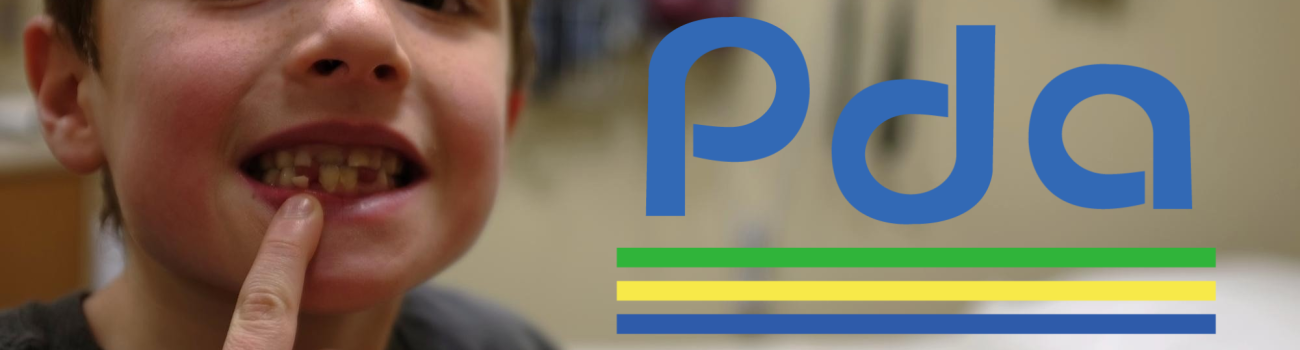
Baby Teeth Falling Out Too Early or Too Late
Baby teeth are placeholders for permanent teeth. If they fall out too early, the adult teeth can drift into improper positions. If they fall out too late, it could be a sign that permanent teeth are impacted or not erupting properly.
According to the American Association of Orthodontists, every child should receive an orthodontic evaluation by age 7—even if no issues are apparent. This gives dental specialists a better chance to catch and correct growth issues while the mouth is still developing.
Tooth Position Concerns
Noticeable Crowding or Gaps
One of the most common red flags is crowded or widely spaced teeth. If your child’s teeth appear to overlap or have too much space between them, it may be more than just a cosmetic concern.
Crowding can lead to difficulty in brushing, flossing, and maintaining oral hygiene. Gaps can affect speech and indicate a mismatch between jaw size and tooth size. The best pediatric dentist Westwood can assess whether these issues are temporary or require early intervention.
Functional Eating Habits
Difficulty Chewing or Biting
Watch your child when they eat. Are they avoiding certain foods? Do they chew only on one side of their mouth? These behaviors may be signs of malocclusion, or improper alignment of the upper and lower teeth.
An improper bite can lead to jaw strain, digestion issues, and uneven tooth wear over time. If chewing seems uncomfortable or if your child struggles to bite into hard or chewy foods, it may be time to schedule an evaluation.
Learn more from the National Institutes of Health about how early orthodontics can prevent complications related to bite function and jaw growth.
Breathing and Sleep Patterns
Mouth Breathing or Snoring
While it may not seem directly related to teeth, chronic mouth breathing or snoring could indicate issues with jaw development or oral posture.
Children who sleep with their mouth open or breathe through their mouth during the day may experience changes in the shape of their face and dental arches. A pediatric dentist trained in early orthodontic evaluation can collaborate with ENT specialists to determine if jaw structure is contributing to the issue.
Best pediatric dentist Westwood evaluations often include airway assessments, which are critical during developmental years.
Habits That Impact Development
Thumb Sucking Beyond Age 4
Thumb sucking is natural in infancy but can cause long-term damage if it continues past age 4. Prolonged sucking habits can push teeth out of alignment, causing open bites or protruding front teeth.
If your child is still relying on thumb-sucking for comfort or sleep well into preschool or elementary school years, a pediatric dental evaluation is strongly recommended. The earlier this habit is addressed, the easier it is to guide the teeth and jaw back to a healthy position.
Jaw and Joint Health
Jaw Shifting or Clicking
Does your child complain of pain when opening their mouth? Do you hear clicking or popping sounds when they yawn or chew? These are signs of temporomandibular joint (TMJ) issues or misalignment of the jaw.
Early intervention may prevent the need for surgical correction later in life. A comprehensive exam from the best pediatric dentist Westwood will determine whether the issue is muscular, skeletal, or behavioral—and what treatments may be appropriate.
Speech and Language Development
Speech Difficulties
Lisping, slurred words, or trouble pronouncing certain sounds can sometimes be traced to misaligned teeth or jaw development.
A child’s ability to form sounds properly is partially dependent on where the teeth sit in the mouth and how the tongue interacts with them. If your child is receiving speech therapy but progress seems slow, it may be worthwhile to add a dental evaluation to the mix. A multi-disciplinary approach often yields the best outcomes.
Bite Alignment
Teeth That Don’t Meet Properly
When the upper and lower teeth don’t touch when the mouth is closed, or if they overlap excessively, your child may have:
- Overbite – upper teeth protrude too far
- Underbite – lower teeth extend past the upper teeth
- Crossbite – upper and lower teeth don’t line up
- Open bite – front teeth don’t touch when biting down
Each of these conditions can affect oral function, facial symmetry, and self-confidence. Early correction, often done in two phases, can minimize future orthodontic needs and prevent more complex treatments later.
Our specialists at PDA Ridgewood have extensive experience identifying these bite issues in young patients.
Oral Hygiene Challenges
Difficulty Keeping Teeth Clean
If your child’s teeth are so crowded or misaligned that flossing and brushing become difficult, cavities and gum disease can follow.
Poor oral hygiene isn’t always about lack of effort—it could be a sign that the alignment of the teeth is making it harder to clean effectively. When visiting the best pediatric dentist Westwood, families often discover that orthodontic treatment not only improves smiles but also reduces long-term dental costs by preventing decay and gum disease.
Genetic Factors
Family History of Orthodontic Issues
Genetics play a major role in tooth and jaw development. If one or both parents had braces, jaw surgery, or required other interventions, chances are higher that the child may need them as well.
While family history alone doesn’t guarantee orthodontic issues, it does increase the likelihood. Having your child evaluated early allows for monitoring and phased treatments, if necessary.
For trusted and personalized care, the team at PDA Ridgewood is here to guide your child’s smile at every stage of development.
Why Early Orthodontic Evaluation Matters
Benefits of Early Intervention
Early intervention doesn’t always mean immediate treatment. Often, it means monitoring jaw growth, guiding teeth into proper positions, and establishing healthy habits.
When problems are identified early, dentists and orthodontists can implement phased treatment plans that take advantage of your child’s natural growth patterns. The goal is to reduce the need for more invasive procedures later, minimize time spent in braces, and foster healthier oral development.
Some orthodontic issues, such as crossbites, protruding front teeth, or underdeveloped jaws, are easier to correct when your child is younger. During this phase, the bones are still growing and more responsive to treatment. By addressing these concerns early, you can often prevent future complications, such as speech difficulties, facial asymmetry, and uneven tooth wear.
Additionally, an early evaluation can help guide the eruption of permanent teeth. If space issues are present, interventions such as space maintainers or early arch expansion can be used to create a healthier dental environment.
Key benefits of early evaluation include:
- Easier correction of skeletal issues
- Reduced risk of trauma to protruding front teeth
- More room for permanent teeth to emerge
- Shorter overall treatment time in adolescence
- Improved facial harmony and airway function
At PDA Ridgewood, we believe that early detection is the cornerstone of preventive pediatric dentistry. By working closely with families, we provide the insight and care needed to set children up for lifelong dental health.
What Happens During an Evaluation?
Steps of an Early Orthodontic Assessment
When you bring your child in for an early evaluation, our pediatric dental team will conduct a comprehensive, gentle, and educational assessment.
We understand that every child is unique. Our approach is personalized to address your child’s specific dental development, habits, and needs. You can expect your first visit to include the following steps:
- Review of dental and medical history
We’ll discuss your child’s past dental experiences, family history of orthodontic issues, and any habits (like thumb sucking or mouth breathing) that might impact their oral development. - Clinical examination of teeth, bite, and jaw alignment
Our specialists will evaluate your child’s bite, check for crowding or spacing, and observe jaw function. We also assess facial symmetry and airway health, which are key factors in a child’s overall well-being. - Imaging (such as panoramic X-rays) if necessary
X-rays provide valuable information about tooth positioning, unerupted teeth, and jaw growth. If needed, we will take imaging to guide our evaluation and treatment planning. - Discussion of any habits
Habits like thumb sucking, nail-biting, or tongue thrusting can impact dental alignment. We’ll provide advice on how to help your child break harmful habits and promote healthy oral development. - Customized monitoring or treatment plan
Based on our findings, we’ll recommend either continued monitoring, preventive treatment, or orthodontic intervention. You’ll receive a detailed plan tailored to your child’s growth and dental goals.
This process ensures that families leave their visit with a clear understanding of their child’s oral health—and what steps to take next.
Why Choose PDA Ridgewood
Trusted Expertise in Pediatric Orthodontics
Choosing a provider who specializes in pediatric care ensures your child receives age-appropriate, compassionate, and expert treatment—and that makes all the difference.
At PDA Ridgewood, we offer a family-friendly environment where children feel comfortable and supported. Our dedicated team of pediatric dental specialists has extensive experience working with children of all ages and developmental stages. We understand that visiting the dentist can be intimidating for young patients, which is why we focus on creating a positive and reassuring experience from start to finish.
Our Westwood location is recognized for its:
- Child-friendly, calm environment
From our welcoming office design to our gentle approach, we help children feel safe and empowered during their dental visits. - Highly trained pediatric dental specialists
Our team stays at the forefront of pediatric dentistry and orthodontics through ongoing education and advanced training. We bring the latest techniques and technologies to every treatment plan. - Collaborative approach
We work closely with orthodontists, ENT specialists, speech therapists, and other healthcare providers to deliver comprehensive care. This multidisciplinary approach ensures the best possible outcomes for your child. - Preventive care philosophy
We emphasize early detection, prevention, and education. Our goal is to help your child achieve optimal oral health and avoid complex dental problems later in life.
If you’re searching for the best pediatric dentist Westwood has to offer, look no further than PDA Ridgewood. We’re honored to be your partner in creating happy, healthy smiles.
Take Action Early for a Lifetime of Smiles
The best time to schedule your child’s first orthodontic evaluation is before there’s a visible problem. Many orthodontic issues develop slowly and may not be noticeable to parents. By the time they are easily seen, treatment can be more complex and time-consuming.
An early evaluation allows our team at PDA Ridgewood to identify subtle signs of developmental concerns and help guide your child’s oral growth. Whether your child’s teeth appear perfectly straight or you’ve noticed potential red flags, an evaluation provides valuable peace of mind and empowers you to make informed decisions.
Addressing orthodontic concerns early can also have a profound impact on your child’s self-esteem and quality of life. A healthy, well-aligned smile supports confident communication, optimal breathing, and overall well-being. Plus, early intervention can shorten future orthodontic treatment times and lower the need for more invasive procedures later on.
If you have any questions about your child’s dental development, or if you simply want to be proactive, don’t hesitate to schedule an appointment with our team. The best pediatric dentist Westwood is here to help your child thrive at every stage of growth.
Ready to get started? Contact us at PDA Ridgewood today. Together, we’ll build a lifetime of healthy, beautiful smiles—one step at a time.

