


Braces are a significant investment in your child’s dental health, helping them achieve a beautiful smile and proper alignment for life. Beyond the aesthetic benefits, braces are crucial in correcting bite issues, preventing long-term oral health problems, and boosting your child’s self-confidence. However, achieving these benefits requires more than routine orthodontic visits; it takes a dedicated team effort between you, your child, and their dentist to keep braces in optimal condition.
As a parent, your role in this journey is vital. From supervising your child’s oral hygiene habits to ensuring they avoid foods that can damage their braces, you guide and motivate them throughout the process. Staying proactive and informed can help minimize complications, avoid delays in treatment, and keep your child comfortable and confident.
To help you easily navigate this responsibility, we’ve created a friendly, practical checklist packed with tips and advice. With these simple strategies, maintaining your child’s braces will feel manageable and stress-free, paving the way for a healthier, happier smile.
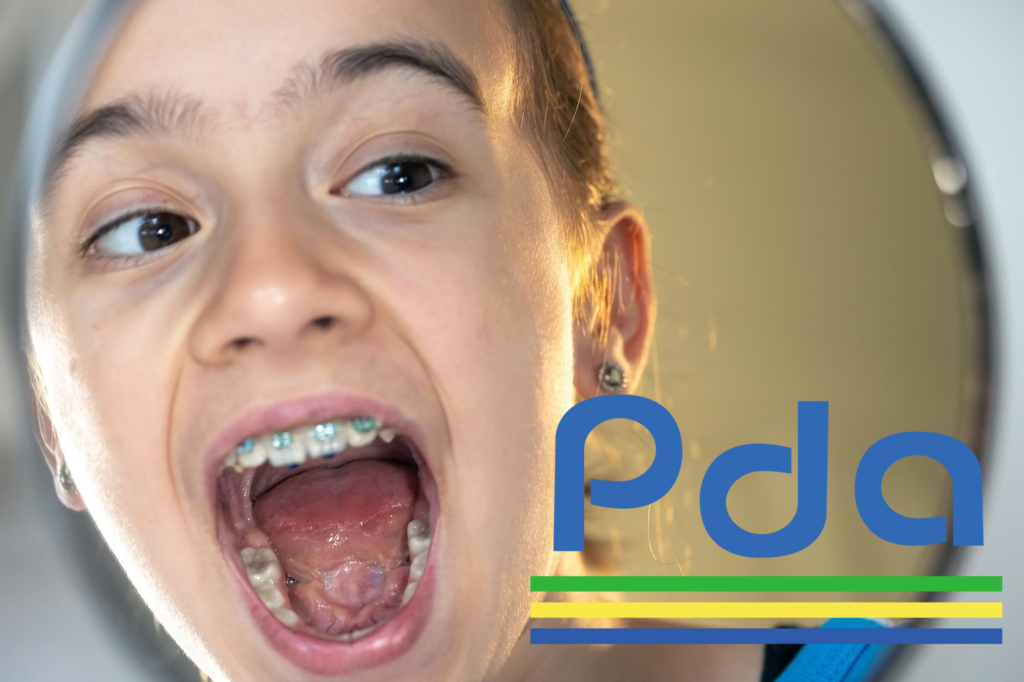
Establish a Braces-Friendly Diet
One of the most important steps in keeping your child’s braces in top shape is paying close attention to their diet. The foods your child eats can have a significant impact on the condition of their braces, as certain items can damage brackets, bend wires, or even prolong their treatment time. Sticky candies, chewing gum, popcorn, and crunchy snacks like chips are some of the most common culprits that can wreak havoc on braces, leading to unexpected repairs and extra trips to the dentist.
To prevent these issues and make life easier for both you and your child, it’s essential to encourage them to make braces-friendly choices. By introducing them to softer, safer alternatives, you can reduce the risk of damage while still keeping mealtime enjoyable. Some excellent options include:
- Soft fruits like bananas or berries
- Dairy products like yogurt or cheese
- Cooked vegetables
- Protein-rich options like eggs or fish
Remind them to cut tougher foods, like apples or carrots, into bite-sized pieces to minimize stress on their braces. Maintaining a braces-friendly diet is not just about preventing damage—it also helps keep your child’s oral health on track. The best pediatric dentist in Teaneck often emphasizes diet as a cornerstone of orthodontic care.
Master Proper Cleaning Techniques
Braces introduce a unique set of challenges when it comes to maintaining daily oral hygiene. Unlike regular teeth, the brackets, wires, and bands used in braces create additional surfaces where food particles and plaque can become trapped. If not properly cleaned, this buildup can lead to cavities, gum irritation, and even discoloration of the teeth once the braces are removed. It’s essential to ensure that your child develops consistent and thorough cleaning habits to protect both their teeth and their braces during treatment.
To help your child keep their teeth and braces in pristine condition, follow these key steps:
- Brush after every meal: Encourage your child to brush their teeth and braces using a soft-bristled toothbrush and fluoride toothpaste. Specialized orthodontic toothbrushes are also effective.
- Use interdental brushes: These small brushes can reach areas regular toothbrushes might miss.
- Floss regularly: Use floss threaders or water flossers to help your child clean between teeth.
- Rinse with mouthwash: A fluoride-based mouthwash can help protect teeth against cavities.
Regular visits to the best pediatric dentist in Teaneck ensure that your child’s braces stay clean and their teeth remain healthy. Schedule a visit today for personalized care.
Encourage Wearing Protective Gear During Activities
If your child is active in sports, taking the necessary precautions to protect their braces and teeth is crucial to avoiding injury. One of the most effective and simple ways to do this is by ensuring they wear a mouthguard during any physical activity. Mouthguards act as a barrier, shielding the braces and teeth from sudden impacts that can occur during sports such as soccer, basketball, football, or any contact-heavy activity. Without this protection, an accidental hit could result in bent wires, broken brackets, or even damage to the teeth themselves, leading to unnecessary pain, treatment delays, and costly repairs.
Custom mouthguards are particularly beneficial for children with braces. Unlike standard or over-the-counter options, custom mouthguards are specifically designed to fit comfortably over your child’s braces, providing superior protection and making it easier for them to breathe and communicate during their game. Investing in a well-fitted mouthguard not only minimizes the risk of damage but also gives you peace of mind knowing that your child is fully protected.
Encouraging your child to make wearing a mouthguard a regular part of their sports routine is a small step that can save a lot of trouble in the long run. Whether they’re playing on the field, in the gym, or even during recreational activities, this essential gear can make all the difference.
Organizations like the American Association of Orthodontists (AAO) recommend mouthguards as essential protective gear for children with braces.
Build a Routine for Orthodontic Appointments
Regular visits to your child’s orthodontist are critical to monitor their progress and make any necessary adjustments. Skipping appointments can delay treatment and lead to complications. As a parent, staying organized with a calendar or reminder system ensures your child never misses a visit.
Looking for expert pediatric dental care? Our team is here to help you every step of the way.
Address Discomfort Quickly and Safely
It’s entirely normal for children to experience mild discomfort or soreness after their braces are adjusted. This is a natural part of the orthodontic process, as the adjustments are designed to shift the teeth into their proper alignment, which can cause temporary pressure or sensitivity. While this discomfort is generally short-lived, it can still be challenging for your child to manage, especially in the first few days after an adjustment.
As a parent, your support and care during this time can make a big difference in helping your child feel more comfortable and less overwhelmed. There are several simple and effective ways to alleviate their discomfort and ensure they can focus on their daily activities without too much trouble:
- Offering orthodontic wax to cover poking wires or sharp brackets.
- Providing soft foods and cold compresses to soothe sore areas.
- Administering over-the-counter pain relievers, if needed.
However, if the discomfort persists or something seems amiss, don’t hesitate to contact your orthodontist. The best pediatric dentist in Teaneck is always here to address your concerns. Reach out today for guidance.
Educate Your Child on Long-Term Benefits
Children may sometimes feel frustrated or discouraged by the restrictions and responsibilities that come with wearing braces. Avoiding favorite snacks, spending extra time on oral hygiene, and attending regular orthodontic appointments can sometimes feel overwhelming, especially for younger kids who may not fully understand why these efforts are necessary. It’s natural for them to feel a bit impatient with the process or even question whether it’s worth the effort.
As a parent, you play a vital role in keeping them motivated and optimistic about their treatment. One of the best ways to do this is by reminding them of the long-term benefits of orthodontic care. Discuss how braces are not just about achieving a beautiful smile, but also about improving their oral health, correcting bite issues, and setting the foundation for a lifetime of confidence and self-esteem. Reinforce how the temporary sacrifices they’re making now will result in lasting rewards they’ll appreciate for years to come, such as:
- A confident, radiant smile
- Improved oral health
- Enhanced self-esteem
Avoid Common Mistakes
Many parents unknowingly make small missteps that can impact their child’s orthodontic journey. Avoid these common pitfalls:
- Neglecting retainer care: After braces come off, retainers are vital to maintaining results. Teach your child how to clean and care for their retainer properly.
- Postponing dental visits: Routine dental cleanings should continue even during orthodontic treatment.
- Ignoring minor issues: A loose bracket or bent wire might seem minor, but it can slow progress. Always report these issues promptly.
For professional advice, explore resources like KidsHealth for expert-backed tips on dental health for children.

Be a Supportive Partner in the Process
Your child’s orthodontic treatment is a team effort, and your role as a supportive parent makes all the difference. Celebrate their progress, empathize with their challenges, and stay engaged with their treatment plan. When your child feels supported, they’re more likely to stay committed to maintaining their braces.
For expert support and guidance, turn to the best pediatric dentist in Teaneck at Pediatric Dental Associates of Ridgewood. Together, we’ll ensure your child’s smile is as healthy and vibrant as it can be.
FAQ Section
- What foods should my child avoid with braces?
Sticky candies, popcorn, gum, and hard foods like nuts can damage braces. Opt for softer alternatives like yogurt, eggs, and cooked vegetables. - How can I help my child brush effectively with braces?
Use a soft-bristled or orthodontic toothbrush, floss threaders, and fluoride mouthwash to clean around braces thoroughly. - Why is a mouthguard important for kids with braces?
Mouthguards protect braces and teeth from damage during sports or other physical activities. - How do I handle a broken bracket or wire?
Cover the sharp area with orthodontic wax and contact your child’s dentist or orthodontist promptly. - How often should my child visit the orthodontist?
Regular check-ups every 4-6 weeks are essential to track progress and make adjustments as needed. - What’s the best way to clean a retainer after braces?
Clean retainers with a toothbrush and mild soap, avoiding harsh cleaners or hot water. - Can my child still eat their favorite snacks with braces?
Many favorites can still be enjoyed if prepared differently. For instance, slice crunchy fruits and avoid sticky or chewy treats. - Is dental cleaning necessary during orthodontic treatment?
Yes, routine dental cleanings are essential to prevent cavities and ensure oral health. - What should I do if my child feels pain from braces?
Offer orthodontic wax, cold compresses, soft foods, and over-the-counter pain relievers. If the pain persists, consult the orthodontist. - How can I motivate my child to take care of their braces?
Celebrate milestones, explain the benefits of treatment, and make oral hygiene fun with special tools or apps.

